
Tile Flooring Options in Asheville, NC: From Kitchen to Bathroom
- jeremy186
- Mar 2
- 6 min read
Tile has been a flooring choice for thousands of years for a simple reason: nothing else is as durable, as water-resistant, or as low-maintenance over the long haul. Installed correctly, a quality tile floor will outlast every other flooring type in your home. For Asheville homeowners renovating bathrooms, kitchens, mudrooms, or any other space where water exposure is part of daily life, tile is consistently one of the best calls you can make.

At One Stop Flooring Shop, we carry tile from eight manufacturers — Crossville, Dal Tile, Happy Floors, Florida Tile, Bella, Shaw, Merola, and Floors 2000 — covering a range from classic ceramic to large-format porcelain and natural stone looks. This guide covers the tile categories, design considerations, and what to think about for each type of room.
Ceramic vs. Porcelain: The Difference That Matters
Most residential tile falls into two broad categories: ceramic and porcelain. The terms are often used interchangeably in conversation, but they're technically different products with different performance characteristics.
Ceramic tile is made from clay fired at lower temperatures. It's slightly more porous than porcelain, easier to cut, and generally less expensive. For wall applications and low-traffic bathroom floors, ceramic is entirely appropriate. For heavily used floors or outdoor applications, the lower density can be a limitation.
Porcelain tile is fired at higher temperatures and pressed under greater force, making it denser, harder, less porous, and more resistant to moisture, stains, and heavy traffic. A good quality porcelain will carry a PEI (Porcelain Enamel Institute) rating of 3 or higher for floor use. For kitchens, mudrooms, entryways, and any floor that takes serious daily use, porcelain is the smarter investment.
The visual quality of both has improved dramatically. Porcelain can now be manufactured to realistically replicate wood grain, concrete, marble, slate, and almost any natural material — with none of the maintenance requirements of those materials.
You can see both on our tile page and in person at our Asheville showroom.
Tile Formats: From Classic Subway to Large-Format Slabs
The size and format of tile affects the look of a room as much as color or texture.
Small mosaic and subway tile (1x1" to 4x12") — Subway tile remains a go-to for Asheville kitchens and bathrooms because it suits the craftsman and bungalow aesthetic common in neighborhoods like Montford and West Asheville. Mosaics work well for shower floors and decorative accents.
Standard floor tile (12x12" to 18x18") — The workhorse format for most residential floors. Easy to install, minimal grout lines when set with appropriate spacing, and compatible with most room layouts.
Rectangular and wood-look plank tile (6x24" to 8x48") — Porcelain tile in long, narrow planks replicates the look of hardwood while delivering the waterproof durability of tile. These have become very popular in Asheville bathrooms and mudrooms where homeowners want a wood aesthetic without wood's moisture limitations.
Large-format tile (24x24" and larger) — Creates a sleek, contemporary look with fewer grout lines. Works best in rooms where the scale of the tile matches the room size. Requires a very flat subfloor and professional installation to achieve the lippage tolerances needed.
Tile for Kitchens in Asheville Homes
The kitchen is one of the most demanding flooring environments in a home — water near the sink and dishwasher, cooking grease, dropped items, chair legs dragging, and family foot traffic all day. Porcelain tile handles all of it without complaint.
The main trade-off for tile in kitchens is hardness underfoot. Standing on tile for extended cooking sessions is tougher on your legs and feet than softer flooring materials. Anti-fatigue mats help, and some homeowners solve this entirely by using LVP in the kitchen for the added comfort — our LVP page covers that option in detail.
Grout color matters in kitchens too. Lighter grout shows staining more readily in high-use areas. Epoxy grout or a matching/dark grout color reduces maintenance significantly. We'll talk through grout options during your consultation.
Tile for Bathrooms in Asheville Homes
Tile is the undisputed king of bathroom flooring. For floor-to-ceiling tile in a primary bath renovation, shower wall tile, and bathroom floor tile, there's no better option in terms of waterproofing, longevity, or cleanability.
A few specific considerations for Asheville bathrooms:
Heated floor systems — Radiant electric heat under tile is increasingly popular in WNC mountain homes. That first step onto a cold bathroom floor in January is a real quality-of-life issue at higher elevations. Tile is the ideal surface for in-floor radiant heat; it conducts warmth efficiently and doesn't have the expansion issues that wood and LVP experience with heat sources.
Shower floors — Smaller-format tile (mosaic, 4x4, 6x6) is safer for shower pans because more grout lines mean more texture and better slip resistance. Large-format tiles require a more precise shower pan installation and proper drainage slope.
Slip resistance — Look for a DCOF (Dynamic Coefficient of Friction) rating of 0.42 or higher for wet floor applications. We can help identify appropriate options from our tile catalog during your consultation.

Tile for Mudrooms and Entryways
Asheville's outdoor lifestyle — hiking, gardening, kids and dogs coming in from the yard — means mudrooms and entryways take serious abuse. Tile handles it better than any other flooring material. It won't be damaged by wet boots, tracked mud, pet paws, or seasonal moisture. It's easy to mop and clean.
For entryways, a dark grout color or a larger-format tile reduces the visual impact of dirt between cleanings. For mudrooms with floor drains, tile is essentially the only appropriate choice.
Tile for Laundry Rooms and Utility Spaces
Any room with a washer or water heater deserves a waterproof floor. Tile is the standard recommendation. A laundry room leak or water heater malfunction won't damage tile the way it would damage hardwood, laminate, or even LVP if the water sits long enough. The low maintenance and permanent durability make tile the right call in utility spaces regardless of aesthetics.
For a full look at waterproof flooring options beyond tile, read our waterproof flooring guide for Asheville homes.
Brands We Carry
Crossville — Made in Tennessee with a strong focus on American manufacturing. Crossville is known for large-format porcelain and an excellent environmental certification program.
Dal Tile — One of the most widely distributed tile brands in the country. Massive selection across every category, style, and price point.
Happy Floors — Italian porcelain tile with strong design aesthetics. Their wood-look and stone-look lines are consistently impressive.
Florida Tile — Domestic manufacturer with a broad residential and commercial catalog. Good value at mid-range price points.
Bella — Clean, design-forward product lines with distinctive options across bathroom and kitchen applications.
Shaw — Strong porcelain and ceramic options, particularly their Floors & More residential tile collection.
Merola — Specialty tile with an emphasis on mosaic, encaustic cement tile, and distinctive patterned options — great for accent walls and decorative applications.
Floors 2000 — Value-positioned tile with reliable quality and broad availability.
Visit our products page for the complete catalog overview, or stop by our showroom to see tile displays across all these brands.
Tile vs. LVP: Which Is Right for Wet Areas?
Both tile and LVP are waterproof flooring choices appropriate for kitchens and bathrooms. The decision often comes down to:
Choose tile if: You want maximum longevity (tile lasts longer than any other flooring material), you're tiling a shower or wet room, you want heated floors, or the aesthetic of stone or ceramic is the priority.
Choose LVP if: Comfort underfoot is important (kitchens where you stand for long periods), installation timeline is tight, subfloor conditions make tile installation difficult, or budget is a primary consideration.
Both are excellent options, and our team can help you sort through the right call for each room. For a broader comparison of all flooring types, see our complete Asheville flooring guide.
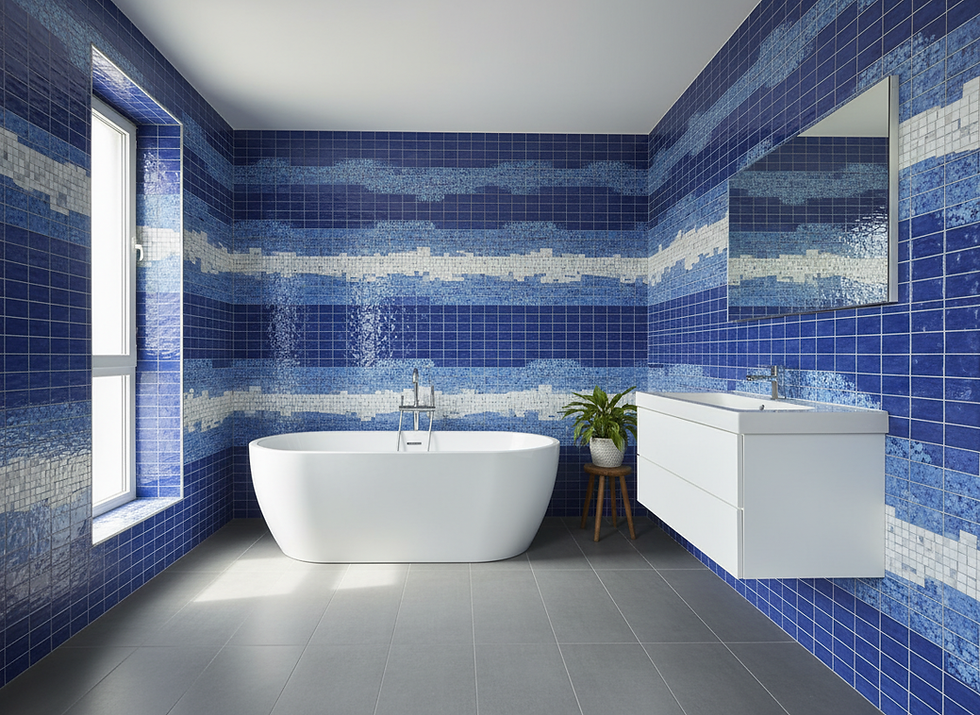
Browse Our Completed Tile Projects
Check out our projects gallery to see tile work we've completed in Asheville homes — bathroom renovations, kitchen floors, mudroom builds, and more. Then request your free in-home estimate or book an appointment online.
Frequently Asked Questions
How long does tile flooring last?
Properly installed tile can last 50 to 100 years or longer. The grout is the weak point — grout can crack or stain over time and may need resealing or replacement, but the tile itself is extremely durable.
Is tile flooring cold in winter?
Tile does feel cool underfoot because it conducts heat efficiently. In Asheville's colder months this is noticeable. The solution most homeowners use is either area rugs over tile in living spaces or in-floor radiant heating in bathrooms — which makes tile genuinely warm and is worth the investment for primary bathrooms.
How do I maintain tile floors?
Regular sweeping or vacuuming, damp mopping with a mild cleaner, and sealing grout annually in high-use areas covers most tile maintenance. Avoid acidic cleaners (vinegar-based) on natural stone tile. For porcelain and ceramic, maintenance is minimal.
Can tile be installed over existing tile?
In some cases, yes — if the existing tile is fully bonded, flat, and the height transition is manageable. This avoids the labor cost of removing existing tile. We evaluate this during the in-home consultation.
Do you handle both tile supply and installation?
Yes. One Stop Flooring Shop supplies and installs all the tile we carry. We handle measurement, product selection, installation, and any subfloor preparation needed.


Comments