
How to Choose Pet-Friendly Flooring That Stands Up to Paws and Claws

Pets bring joy, companionship, and let's be honest, a fair amount of wear and tear to your home. If you have dogs or cats, your floors take a beating. Scratches from claws, accidents from puppies still learning the ropes, muddy paws tracking in from the yard—it all adds up.
The good news is that you don't have to choose between having pets and having nice floors. The right flooring can handle everything your furry family members throw at it while still looking great. Here's what you need to know to make a smart choice.
What Makes Flooring Pet-Friendly?
Not all flooring materials are created equal when it comes to living with animals. Pet-friendly flooring needs to check several boxes.
Scratch Resistance
Dogs and cats have claws. Even well-trimmed nails can scratch softer flooring materials over time. Large dogs are especially tough on floors because of their weight combined with those nails clicking across the surface.
The best pet-friendly floors have a hard, durable surface that resists scratching. This doesn't mean they're completely scratch-proof, but they should handle normal wear without showing damage quickly.
Waterproof or Water-Resistant
Accidents happen, especially with puppies, senior dogs, or cats who occasionally miss the litter box. Flooring that absorbs liquids becomes a problem fast. It can stain, harbor odors, and even develop mold if moisture seeps into the subfloor.
Waterproof flooring gives you time to clean up without panicking. Even if you don't notice an accident right away, waterproof materials won't be permanently damaged.
Easy to Clean
Pet hair, tracked-in dirt, spilled water bowls, and the occasional mess all require quick cleanup. Floors that are easy to sweep, vacuum, and mop make life with pets much simpler.
Avoid flooring with deep grooves or textures where dirt and hair get trapped. Smooth surfaces or those with minimal texture work best.
Stain Resistance
Even after cleaning up an accident, some flooring materials hold onto stains or odors. Pet-friendly floors should resist staining so your home stays fresh.
Comfortable for Your Pets
Hard floors can be slippery for dogs, especially older ones with joint issues. Some pets also prefer softer surfaces for lying down. While durability is the priority, it's worth considering your pet's comfort too.
The Best Flooring Options for Pet Owners
Luxury Vinyl Plank (LVP)
If you have pets, LVP is probably your best overall choice. Modern luxury vinyl plank handles everything pets dish out and still looks good.
LVP is waterproof, not just water-resistant. You can leave a spill or accident sitting for hours without damaging the floor. This is huge for pet owners who work during the day or aren't always home to catch problems immediately.
The wear layer on quality LVP resists scratches remarkably well. You'd have to work pretty hard to damage it, even with large dogs running around. We've installed LVP in homes with multiple dogs, and it holds up year after year.
Cleaning is simple. Sweep or vacuum regularly, and mop when needed. Pet hair doesn't stick to the surface, and stains wipe away easily. If your dog comes in from a rainy walk with muddy paws, you just grab a towel and clean it up. No permanent damage, no staining.
LVP also stays quieter than hardwood or tile. Those clicking toenails are less pronounced, which can be a relief if you have a dog who paces at night.
The one downside is that LVP can be slippery for some dogs. Older dogs or breeds prone to hip problems might struggle with traction. Area rugs in key spots can help with this.
Tile
Tile is another excellent option for pet owners, especially in areas where accidents are more likely, like near back doors or in mudrooms.
Ceramic and porcelain tile are completely waterproof. Nothing gets through to the subfloor, so you don't have to worry about lingering odors or moisture damage. Tile also doesn't scratch easily. Your dog's nails won't leave marks the way they would on hardwood.
Cleaning is straightforward. Tile handles any cleaning product you throw at it, and you can scrub as hard as needed without damaging the surface. For homes with large dogs or multiple pets, this durability is a real advantage.
The downsides are temperature and comfort. Tile feels cold, especially in winter. If your pets like to stretch out on the floor, they might find tile less comfortable than other options. Some dogs also slip on tile, though textured finishes help with traction.
Grout lines need attention. They can trap dirt and occasionally stain, so you'll want to seal them and clean them periodically. However, this maintenance is minor compared to dealing with damaged flooring.
Engineered Hardwood
Real hardwood and pets don't mix well, but engineered hardwood can work if you choose carefully.
Engineered hardwood has a real wood veneer over a plywood or composite core. It gives you the look of hardwood with better moisture resistance. While it's not waterproof like LVP or tile, it handles spills better than solid hardwood as long as you clean them up reasonably quickly.
The key is choosing engineered hardwood with a tough finish. Look for options with aluminum oxide or other hard-wearing finishes. Darker stains and hand-scraped textures help hide scratches better than light, smooth finishes.
Engineered hardwood won't hold up as well as LVP or tile in high-traffic pet areas, but it can work in spaces where your pets spend less time or in homes with smaller, calmer dogs or indoor cats.
Certain Types of Carpet
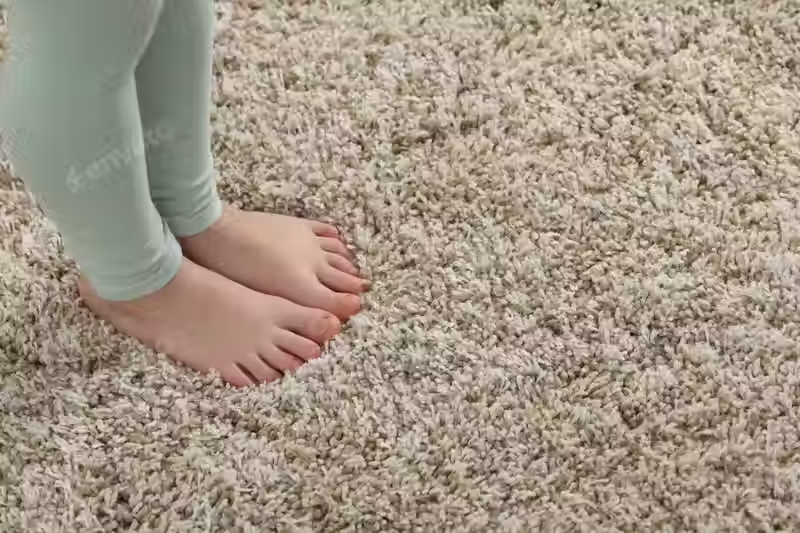
Carpet might seem like a bad choice for pet owners, but the right carpet can actually work. The trick is choosing a style specifically designed for durability.
Look for low-pile or berber carpet made from synthetic fibers like nylon or polyester. These materials resist staining better than natural fibers. Some carpets are treated with stain-resistant coatings that help repel liquids and make cleanup easier.
Solution-dyed carpets, where the color is added during fiber production rather than applied afterward, resist fading and hold up better to cleaning. This matters because you'll probably need to deep clean pet-area carpets more often.
Carpet does have downsides for pet owners. Hair embeds in the fibers, requiring frequent vacuuming. Accidents can soak through to the padding and subfloor if not caught quickly. Even with stain-resistant treatments, some odors and stains can be tough to fully remove.
Carpet is best for bedrooms or other lower-traffic areas where pets spend time but accidents are less likely. Avoid it in entryways, kitchens, or anywhere your pet eats and drinks.
Flooring to Avoid with Pets
Solid Hardwood
Beautiful as it is, solid hardwood and active pets are a tough combination. Dogs scratch hardwood easily, especially large breeds. Even small dogs can leave marks over time.
Water is hardwood's enemy. If your dog has an accident on hardwood, you need to clean it immediately. Leave it sitting, and you'll end up with dark stains that penetrate deep into the wood. In severe cases, moisture can cause the boards to warp or cup.
Refinishing can fix surface damage, but you can only refinish hardwood so many times. If you're constantly battling scratches and stains, those refinishing opportunities disappear quickly.
Laminate Flooring
Laminate looks like hardwood but costs less. Unfortunately, it's not a great choice for pets.
Laminate can handle scratches reasonably well, but it's not waterproof. It's water-resistant at best, and moisture that seeps into the seams can cause swelling and permanent damage. This makes accidents problematic.
Once laminate is damaged by moisture, you can't repair it. You have to replace the damaged planks, which can be difficult and may not match perfectly if the product line has changed.
Bamboo
Bamboo is trendy and eco-friendly, but it's softer than most hardwoods. Scratches show up easily, especially on lighter-colored bamboo.
Like hardwood, bamboo doesn't handle moisture well. Pet accidents can cause staining and warping. For active pet households, bamboo creates more problems than it solves.
Special Considerations for Asheville Pet Owners
Living in Western North Carolina means dealing with specific challenges that affect your flooring choices.
If you're near hiking trails or have a yard that gets muddy, your dog is tracking in dirt regularly. Flooring that cleans easily becomes even more important. LVP and tile shine in these situations because you can clean them quickly without special products or worrying about damage.
Our humidity levels fluctuate throughout the year. This matters less for waterproof materials like LVP and tile, but it affects hardwood and laminate. Pet-related moisture combined with environmental humidity creates the perfect storm for flooring damage.
Making the Right Choice for Your Home
Think about your specific situation. What kind of pet do you have? A small, calm cat creates different flooring challenges than a 90-pound lab who loves to play in the creek.
How many pets live in your home? One pet is manageable with most flooring types. Three dogs mean you need maximum durability.
Where are you installing new floors? An entryway or kitchen near your pet's food and water needs waterproof flooring. A bedroom where your pet mostly just sleeps can handle less durable materials.
What's your tolerance for maintenance? Some people don't mind vacuuming daily or deep cleaning carpets regularly. Others want floors they can wipe down and forget about.
Seeing Your Options in Person
Reading about flooring is helpful, but seeing it in person makes a big difference. When you visit our showroom at 367 N. Louisiana Avenue in Asheville, you can look at samples up close, feel the textures, and ask questions about how different materials hold up with pets.
We work with pet owners all the time and can show you which products we've seen perform well in real homes with real animals. We carry brands known for durability, including Shaw, Mohawk, Mannington, and others that make products specifically designed for active households.
Many customers bring photos of their pets and talk through their daily routines. This helps us recommend the right flooring for their specific situation. Your 15-year-old cat who mostly sleeps has different needs than someone's three puppies who are still being housetrained.
Installation Matters Too
Even the best pet-friendly flooring can develop problems if it's not installed correctly. Proper installation ensures there are no gaps where moisture can seep through, and it creates a solid, stable surface that won't shift or buckle over time.
Professional installation includes preparing the subfloor, which is especially important in homes with pets. If previous pet accidents have damaged the subfloor, that needs to be addressed before new flooring goes down. Otherwise, odors can persist even after you've replaced the visible floor.
We handle installation for all the products we sell, so you don't have to worry about finding a separate installer or coordinating between different companies. We take care of everything from start to finish.
Living Happily with Pets and Great Floors
You don't have to sacrifice style for durability. Today's pet-friendly flooring looks just as good as traditional materials while handling the chaos of life with animals.
The right choice depends on your pets, your lifestyle, and which rooms you're updating. But whatever you choose, you'll find options that let you enjoy your pets without constantly stressing about your floors.
Stop by our Asheville showroom or call us to set up a free in-home consultation. We'll talk through your situation and help you find flooring that works for your whole family, including the furry members.
Frequently Asked Questions
What's the most scratch-resistant flooring for large dogs?
Luxury vinyl plank and tile are your best bets for scratch resistance. Both have hard surfaces that stand up to even the biggest dogs. Quality LVP with a thick wear layer can handle years of heavy traffic without showing significant scratching.
Can pet urine ruin LVP flooring?
No. LVP is waterproof, so pet urine won't damage the flooring itself. However, if urine seeps into seams or edges where the flooring meets the wall, it could potentially reach the subfloor. Proper installation and quick cleanup prevent this from being an issue.
How do I remove pet odors from flooring?
For hard surfaces like LVP or tile, clean with an enzyme-based cleaner designed for pet odors. These break down the organic compounds causing the smell. For carpet, professional deep cleaning may be needed for severe odors.
Is luxury vinyl plank safe for pets?
Yes, LVP is safe for pets. It doesn't contain harmful chemicals that would affect your animals, and the smooth surface doesn't harbor allergens or bacteria the way carpet can.
What's the best flooring for dogs who slip easily?
Textured LVP or tile provides better traction than smooth surfaces. You can also use area rugs in spots where your dog walks frequently. Cork flooring is another option that provides natural traction, though it's less common and requires more maintenance.
How often should I trim my dog's nails to protect my floors?
Trim your dog's nails every 2 to 4 weeks. Regular trimming reduces the impact on your floors and is also healthier for your dog. If you hear constant clicking when your dog walks, the nails are too long.
Can I install pet-friendly flooring myself?
LVP is DIY-friendly if you're handy and follow the manufacturer's instructions. Tile requires more skill and specialized tools. For best results and to ensure your warranty remains valid, professional installation is usually worth the investment.
What should I do if my old flooring has pet damage underneath?
Before installing new flooring, address any subfloor damage. This might mean replacing sections of subfloor, treating for odors, or applying sealant. Skipping this step means problems will persist even with new flooring.


Comments